Wedding invitations do far more than communicate logistics. They set the tone, spark excitement, and give guests a first glimpse of the celebration to come. As couples continue to push creative boundaries, the invitation landscape for 2026 is a vibrant mix of sustainability, artisan craftsmanship, and tech-savvy innovation. Whether you are planning a grand ballroom affair or an intimate garden ceremony, here are the trends shaping how couples are saying "you're invited" this year.
1. Sustainable and Eco-Friendly Materials
If there is one overarching theme for 2026, it is intentionality. Couples want every element of their wedding to reflect their values, and paper goods are no exception. Recycled cotton paper, plantable seed paper, and bamboo-fiber card stock have moved from niche offerings to mainstream staples. These materials feel luxurious in the hand while dramatically reducing environmental impact.
Beyond the paper itself, eco-conscious printing methods are gaining ground. Soy-based inks, waterless printing processes, and minimal-waste production runs are now standard at many stationery houses. Some designers even offer carbon-offset shipping, meaning the suite arrives at your doorstep with a near-zero footprint.
What makes sustainable invitations so appealing is that they no longer require aesthetic compromise. A handmade cotton-rag envelope with deckled edges can look every bit as elegant as its conventional counterpart—often more so, because the natural texture adds character that machine-made paper simply cannot replicate.
2. Bold, Oversized Typography
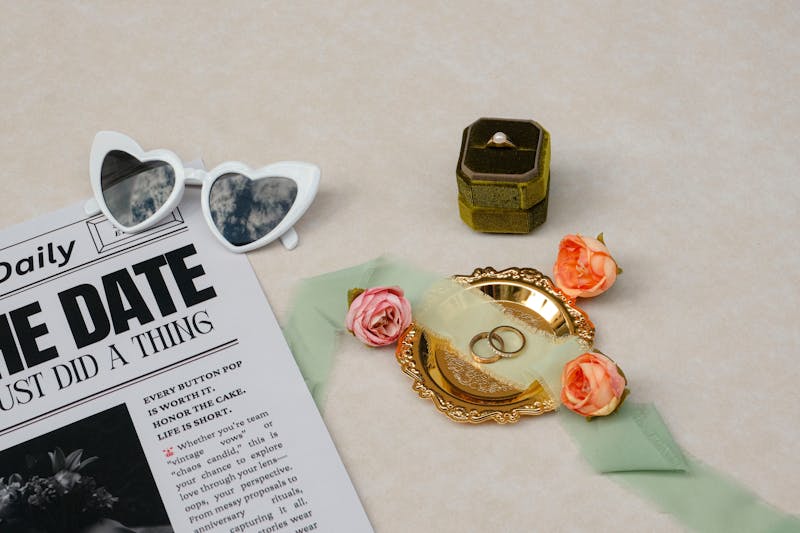
Delicate script fonts will always have a place in weddings, but 2026 is the year of typographic confidence. Think chunky serif headlines, playful sans-serifs, and display fonts that take up half the invitation. The result is modern, graphic, and undeniably eye-catching.
Couples are pairing these bold typefaces with generous white space—or rather, blush space, sage space, or whatever palette they have chosen. The contrast between a massive headline and an airy layout gives the invitation a gallery-poster quality that feels contemporary without sacrificing romance.
This trend pairs beautifully with minimalist wedding invitation designs where the type itself becomes the primary decorative element. When the font is strong enough, you need very little else to make a statement.
3. Acrylic and Non-Paper Invitations
Acrylic invitations surged in popularity a few years ago, and in 2026 they remain a sought-after choice—especially for couples hosting luxe or modern-glam weddings. Clear or frosted acrylic panels printed with white, gold, or black ink create an unmistakable wow factor the moment a guest opens the envelope.
But acrylic is no longer the only alternative material on the table. Thin wooden veneer invitations, vellum overlays on handmade paper, and even laser-cut metal cards are popping up in designer collections. These tactile pieces practically beg to be displayed on a shelf rather than tucked into a drawer, which is exactly the point: couples want their invitation to be a keepsake, not just a notice.
Cost is the obvious consideration. Non-paper invitations typically run two to four times the price of a printed card, so many couples reserve them for a smaller guest count or pair a statement piece with a simpler companion card that carries the logistical details.
4. Watercolor and Hand-Painted Illustrations
There is a growing appetite for artwork that feels genuinely one-of-a-kind. Custom watercolor illustrations—of the venue, the couple's pet, a meaningful landmark, or a botanical motif—add a deeply personal layer that no template can achieve. In 2026, these hand-painted elements are showing up not just on the invitation itself but across the entire suite: envelope liners, menu cards, table numbers, and ceremony programs.
The watercolor aesthetic also lends itself to the soft, romantic palettes dominating this year—dusty rose, sage green, lavender, and warm terracotta. When combined with a high-quality printing method like giclée or lithography, the reproduction is so faithful that guests often assume every piece was painted by hand.
If you love this look but your budget is tighter, consider commissioning a single original painting and then digitally reproducing it across your stationery suite. The per-unit cost drops significantly, yet the hand-crafted feel remains intact.
5. AI-Assisted Design—Used Thoughtfully
Artificial intelligence has entered the wedding stationery world, and opinions are divided. On one hand, AI tools can generate ornamental patterns, suggest color harmonies, and even draft layout concepts in seconds. For couples on a tight budget or timeline, these tools democratize access to polished design.
On the other hand, seasoned stationers warn against over-reliance on generative imagery. The most successful 2026 invitations use AI as a starting point rather than a finished product. A designer might feed an AI tool a mood board and receive a dozen pattern variations, then hand-refine the best option to ensure it is truly unique. The technology accelerates the creative process; it does not replace the artisan's eye.
Transparency is another consideration. Some couples proudly note in their stationery credits that AI assisted the design, while others prefer not to disclose it. There is no industry consensus yet, but honesty tends to be appreciated. According to The Knot, nearly one in five couples in 2026 surveys said they used some form of AI tool during wedding planning, including stationery design.
6. Hand-Torn Edges and Raw Textures
Precision is beautiful, but so is imperfection—at least, the carefully curated kind. Hand-torn (also called deckled) edges have become synonymous with fine-art wedding stationery. The uneven border softens the look of the card, giving it an organic, almost antique quality that pairs wonderfully with calligraphy and watercolor artwork.
In 2026, this trend is expanding beyond the invitation card itself. Couples are requesting hand-torn edges on reply cards, details inserts, and even envelope flaps. The look is particularly striking on thick cotton paper with visible fiber content, where tearing reveals the paper's inner texture.
If you are drawn to this style, plan for extra production time. Each edge is torn individually—there is no machine shortcut—so your stationer will need adequate lead time. For help building a realistic production schedule, take a look at our complete wedding invitation timeline.
7. Wax Seals and Tactile Finishing Touches
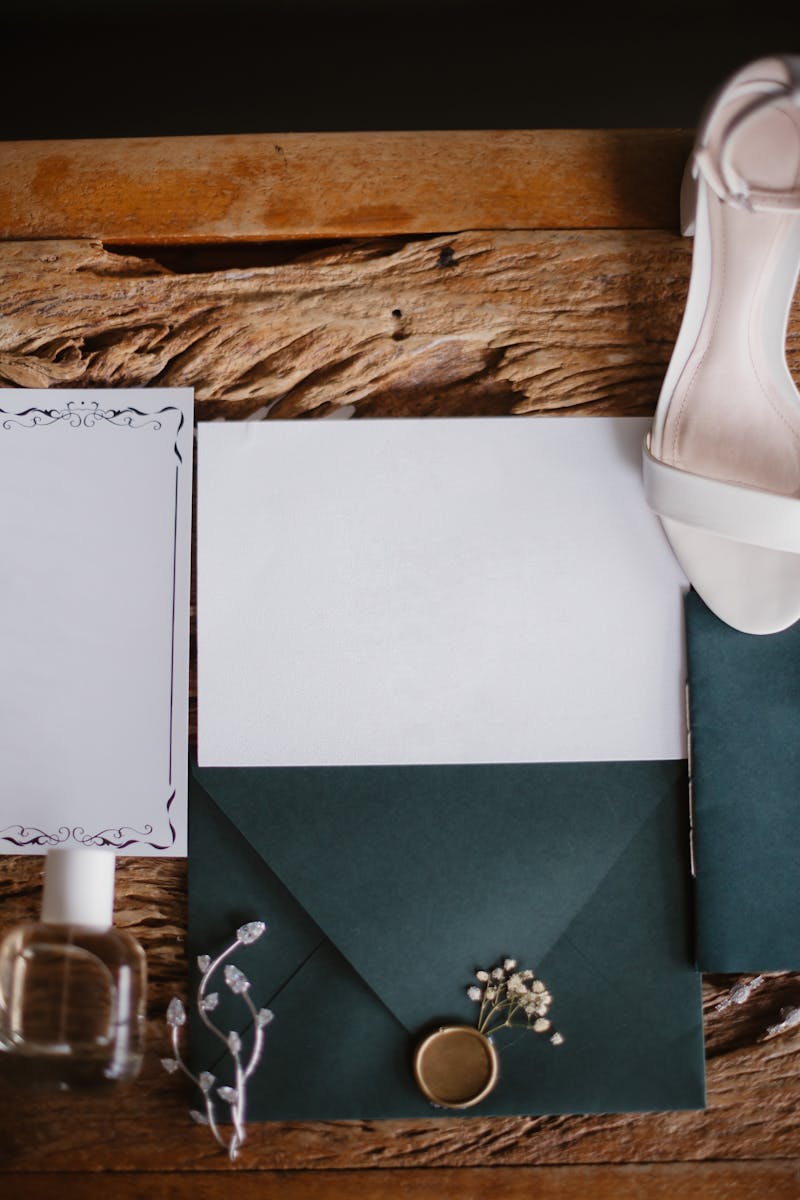
Wax seals have made a spectacular comeback, and in 2026 they show no signs of slowing down. Once reserved for royal correspondence, these small stamps of colored wax now appear on everything from envelope closures to ribbon accents on menu scrolls. Couples are customizing seal designs with their monogram, a meaningful symbol, or even their pet's silhouette.
Beyond wax, other tactile finishes are trending: embossing, debossing, foil stamping in matte gold or rose gold, and letterpress printing that leaves a satisfying impression in heavy card stock. These techniques add a multisensory dimension to the invitation experience—guests can feel the quality before they even read a word.
The appeal is partly nostalgic, partly practical. In a world of screens and notifications, a beautifully sealed envelope signals that this is something worth pausing for. Martha Stewart Weddings recently highlighted wax seals as one of the most Instagram-worthy stationery details, noting that sealed envelopes generate significantly more social-media engagement than standard closures.
8. Digital-Physical Hybrid Invitations
The pandemic-era pivot to fully digital invitations taught couples and guests alike that online tools have genuine advantages: instant delivery, easy RSVP tracking, real-time updates. But most couples still crave the tangible magic of a physical card. The solution? A hybrid approach that combines the best of both worlds.
In 2026, the most popular hybrid format is a beautifully printed invitation card paired with a QR code that directs guests to a personal wedding website. The website handles RSVPs, travel information, registry links, and any last-minute changes, while the physical card serves as the ceremonial announcement. This approach reduces the number of printed inserts (goodbye, six-piece suite) and streamlines communication.
Some couples take the hybrid concept further by sending a digital save-the-date followed by a printed formal invitation, or vice versa. The key is consistency: your digital assets should mirror the typography, color palette, and tone of your printed suite so everything feels like part of a cohesive story. For more on coordinating your RSVP strategy with your invitations, see our guide to wedding RSVP wording.
What's Fading Out in 2026
Trends evolve, and a few styles are gracefully exiting the spotlight:
- Overly ornate laser-cut sleeves. The intricate paper-lace gatefold that dominated the mid-2010s now feels dated. Couples prefer simpler structural elements—a single belly band, a plain vellum wrap—over complex die-cut enclosures.
- Mason-jar and rustic-chic motifs. The barnyard aesthetic has run its course. Even barn weddings are opting for refined, modern stationery rather than burlap-and-twine graphics.
- Single-use plastic embellishments. Glitter-coated cards, plastic gems, and synthetic ribbon are falling out of favor as eco-consciousness rises. If it cannot be recycled or composted, couples are passing on it.
- Cookie-cutter online templates with no customization. While budget-friendly templates still serve a purpose, guests increasingly notice—and appreciate—personalized details. Even a small custom illustration or a unique envelope liner can elevate a template-based suite.
How to Choose the Right Trend for Your Wedding
With so many directions to explore, how do you decide? Start with your wedding's overall mood. A black-tie celebration in a historic ballroom naturally gravitates toward foil stamping, classic typography, and wax seals. A beach ceremony in Tulum might call for watercolor illustrations, hand-torn edges, and a relaxed sans-serif font.
Next, consider your budget. Non-paper materials and handmade finishing touches will increase costs, so prioritize the one or two elements that matter most to you. A gorgeous wax seal on a simple card can be just as impactful as a fully bespoke letterpress suite.
Finally, think about your guests. If your crowd skews older, a QR code without a printed RSVP card might cause confusion. If your circle is mostly digital natives, they will appreciate the convenience. Matching the format to your audience shows thoughtfulness—which, ultimately, is what a great invitation is all about.
For couples who love clean, uncluttered aesthetics, our feature on letterpress vs. digital invitations breaks down how each printing method achieves a different visual effect and at what price point.
Putting It All Together
The 2026 invitation landscape rewards couples who blend tradition with innovation. You can honor timeless etiquette—proper wording, elegant card stock, a hand-addressed envelope—while embracing modern elements like sustainable paper, bold typography, or a digital RSVP portal. The most memorable suites are those that feel authentically "you," regardless of which specific trend they follow.
If you are just beginning the stationery journey, start by collecting inspiration. Pinterest remains one of the best platforms for building a visual mood board, and many stationers offer complimentary sample kits so you can feel different paper stocks and printing techniques before committing.
Whatever direction you choose, remember that the invitation is your guests' very first impression of the celebration. Make it count, make it personal, and—above all—make it joyful.