
In a world of elaborate calligraphy, foil-stamped monograms, and layered envelope liners, the minimalist wedding invitation stands apart with quiet confidence. These designs prove that restraint is not the absence of creativity but the most refined expression of it. Clean lines, thoughtful white space, and a carefully curated palette can communicate elegance far more powerfully than any embellishment.
Whether you are planning a modern loft celebration, a serene garden ceremony, or a chic destination elopement, a minimalist invitation sets the tone with understated sophistication. In this guide, we have gathered 20 beautiful minimalist wedding invitation designs organized by style, along with expert advice on choosing the right paper stock, typography, and finishing touches that will make your stationery truly unforgettable.
What Makes Minimalist Design Work
Before we dive into the designs, it helps to understand the principles that separate a truly elegant minimalist invitation from one that simply looks unfinished. Minimalism in wedding stationery is not about stripping away everything until nothing remains. It is about intentionality, ensuring that every element earns its place on the page.
The foundation of strong minimalist design rests on three pillars. First, generous white space. The empty areas around your text and imagery are not wasted real estate; they are breathing room that draws the eye toward what matters. Second, a limited color palette, typically one or two colors at most, creates visual harmony and prevents the design from feeling cluttered. Third, purposeful typography anchors the entire composition. When your design relies on fewer elements, each letterform becomes a design element in its own right.
Minimalist invitations also tend to embrace asymmetry over rigid centering, use a single focal point rather than competing elements, and leave out decorative borders or heavy ornamental frames. The result is stationery that feels contemporary, refined, and deeply personal because every choice was deliberate.
Clean Typography Designs (Ideas 1-4)
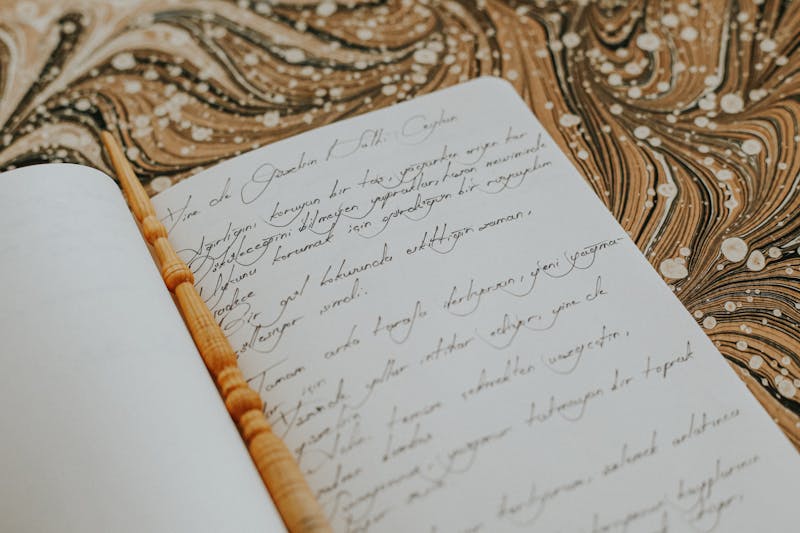
Typography-forward invitations let the letterforms do all the talking. These designs feature no illustrations, no motifs, and no embellishments beyond the beauty of well-set type. The magic lies in the interplay between font weights, sizes, and spacing.
1. Sans-serif simplicity. A single modern sans-serif font like Futura or Helvetica Neue set in all caps with generous letter spacing creates a gallery-worthy invitation. The names appear large and bold at the center, while the details sit below in a lighter weight. This approach works beautifully on bright white cotton stock.
2. Serif contrast pairing. Combine a delicate serif for the couple's names with a clean sans-serif for the event details. The contrast between the two creates visual rhythm without adding any graphic elements. Think Didot paired with Montserrat for a timeless yet fresh feel.
3. Oversized type. Scale your names dramatically large so they nearly fill the entire card. The letters become abstract shapes that create their own visual interest. Print in a soft grey or blush tone on heavyweight stock for a statement piece that guests will want to keep.
4. Centered column layout. All text aligned along a single vertical axis with varying sizes creates an elegant columnar look. Use a fine hairline rule above and below the names to define sections without adding visual weight. This classic layout never goes out of style and pairs well with any letterpress or digital printing method.
Monochrome Designs (Ideas 5-8)
Monochrome minimalism takes the less-is-more philosophy to its purest form. These invitations use a single color, whether black on white, white on black, or tone-on-tone embossing, to create striking stationery that exudes sophistication.
5. Classic black on white. There is a reason this combination has endured for centuries. Jet black ink on bright white card stock is the ultimate in understated elegance. Keep the layout spare, and let the contrast do the work. A matte finish on the paper prevents any sheen from competing with the ink.
6. White on black. The inverse creates instant drama. White foil stamping or white ink on thick black card stock feels modern and bold. This is a particularly stunning choice for evening celebrations, black-tie affairs, or winter weddings where the dark palette mirrors the season.
7. Tone-on-tone blind embossing. Imagine creamy white text embossed into creamy white paper, visible only when light catches the raised lettering at an angle. This tactile approach is the pinnacle of quiet luxury. Guests will run their fingers across the surface again and again. Pair with a thick duplex stock for the best impression depth.
8. Grey gradient. Using two or three shades of grey across different text elements creates subtle hierarchy without introducing color. The couple's names might appear in charcoal, the date in medium grey, and the venue details in a lighter silver-grey. The effect is cohesive, calm, and undeniably modern.
Botanical Line Art Designs (Ideas 9-12)
For couples who want a touch of organic warmth without abandoning the minimalist ethos, botanical line art is the perfect compromise. These designs feature single-weight line drawings of leaves, branches, or florals that feel hand-drawn and delicate.
9. Single olive branch. A simple line drawing of an olive branch arcing across one corner adds Mediterranean elegance to an otherwise spare design. Keep the illustration in the same ink color as the text so the entire design reads as a unified composition.
10. Eucalyptus wreath frame. A loose circular wreath of eucalyptus leaves framing only the couple's names creates a soft focal point. The remaining details sit outside and below the wreath in a clean sans-serif. This design works particularly well for garden and outdoor ceremonies.
11. Scattered wildflower stems. Three or four individual wildflower stems placed asymmetrically across the card bring movement and life to the design. The key to keeping this minimalist is using fine, single-weight line work and resisting the urge to fill every corner. As recommended by stationery experts on The Knot, leaving ample negative space is essential when incorporating botanical elements.
12. Abstract leaf motif. A single, oversized leaf shape, perhaps a monstera or palm frond, printed as a blind deboss or in a pale tint behind the text adds depth without distraction. This approach bridges the gap between tropical and minimal, making it ideal for destination wedding invitations.

Geometric Designs (Ideas 13-16)
Geometric minimalism brings structure and architectural precision to your stationery suite. These designs use simple shapes, clean angles, and mathematical proportions to create visual interest without clutter.
13. Thin frame border. A single fine-line rectangular border set slightly inward from the card edge creates a composed, gallery-like feel. The text sits centered within the frame. Use a metallic gold or rose gold line for a subtle touch of warmth against white or ivory stock.
14. Hexagonal accent. A single hexagon shape containing the wedding date, positioned at the top of the card, acts as a modern alternative to a traditional monogram crest. The geometric shape feels fresh and architectural while the rest of the design stays clean and typographic.
15. Diagonal divide. A single diagonal line cutting across the card separates the couple's names on one side from the event details on the other. This asymmetric layout feels dynamic and contemporary. Print the line in a contrasting color or metallic foil for added impact.
16. Concentric circles. Nesting two or three thin circles at the center of the card with the couple's names inside creates an almost target-like focal point. The simplicity of circles evokes unity and completeness, a fitting metaphor for a wedding. This design photographs beautifully for social media announcements as well, and the trend has gained traction on Pinterest boards dedicated to modern wedding stationery.
Vellum Overlay Designs (Ideas 17-18)
Vellum, the translucent paper that has captivated stationery lovers for decades, adds a dreamy layered quality to minimalist invitations. The semi-transparent material creates depth and movement as light passes through it.
17. Vellum wrap with printed names. A full vellum jacket wraps around a simple white invitation card. The couple's names are printed on the vellum so they appear slightly diffused and ethereal over the crisp details beneath. The layering effect is both modern and romantic, creating visual intrigue with minimal design elements.
18. Vellum belly band. A strip of vellum printed with a fine botanical motif or the wedding date wraps around the center of a clean white card. The translucency softens whatever sits beneath while the printed element adds just enough visual texture. Secure with a small wax seal in blush or ivory for a finishing touch that feels intentional and complete.
Single-Color Designs (Ideas 19-20)
Moving beyond black and white, these designs use a single carefully chosen color to infuse the invitation with personality while maintaining minimalist discipline.
19. Dusty rose monotone. Every element, from the text to any fine line illustrations, is printed in a single shade of dusty rose. Against ivory or warm white stock, the effect is soft, romantic, and cohesive. This approach works especially well when you want your invitations to hint at your wedding color palette without being overly thematic.
20. Sage green simplicity. A muted sage green ink on recycled natural stock creates an invitation that feels organic, earthy, and effortlessly chic. The textured paper adds tactile interest while the single-color printing keeps the design grounded and calm. This pairing has become a favorite among sustainability-minded couples who appreciate that minimalism and environmental consciousness share the same philosophy of intentional simplicity.
Choosing the Right Paper for Minimalist Invitations
When your design is pared back, the paper itself becomes a primary design element. The texture, weight, color, and finish of your card stock will dramatically influence how the finished invitation looks and feels. Here are the key considerations for selecting the perfect paper.
Weight matters more than you think. For minimalist designs, heavier card stock communicates quality instantly. Look for papers in the 300 to 600 GSM range. A thick card with a satisfying heft tells guests that this event is significant before they even read a word. Duplex and triplex stocks, where two or three layers are bonded together, add even more substance.
Texture adds dimension. Cotton papers with a soft, pillowy surface feel luxurious and print beautifully with letterpress. Laid papers with subtle horizontal and vertical lines add old-world character. Smooth, coated stocks work best for clean digital printing and foil stamping. When considering your printing method, our guide to letterpress versus digital invitations can help you decide which approach suits your style.
Color temperature sets the mood. Bright white papers feel crisp, modern, and gallery-like. Warm whites and natural ivories feel softer, more romantic, and slightly vintage. Grey-toned stocks feel moody and contemporary. Choose a shade that aligns with the emotional tone of your wedding day. As noted by the editors at Brides, the paper color can shift the entire perception of an invitation suite.

Typography Tips for Minimalist Stationery
Choosing fonts for a minimalist invitation can feel paradoxically difficult. With fewer elements on the page, every typographic decision is amplified. Here is how to get it right.
Limit yourself to two fonts maximum. One for the couple's names and headline information, and another for the supporting details. More than two fonts will fracture the visual unity that makes minimalism work. In many cases, a single font family used in different weights and sizes is all you need.
Pay attention to letter spacing. Tracking, the space between letters, is one of the most powerful tools in minimalist typography. Opening up the letter spacing on uppercase text creates an airy, sophisticated feel. Tightening it slightly on lowercase text ensures readability at smaller sizes. Small adjustments make a significant difference.
Consider font personality. A geometric sans-serif like Futura or Avenir feels modern and architectural. A transitional serif like Baskerville or Times feels classic and literary. A high-contrast didone like Bodoni or Didot feels glamorous and editorial. Each carries a distinct emotional tone, so choose one that reflects the spirit of your celebration.
Hierarchy through scale. In a minimalist layout, you cannot rely on color or decoration to guide the reader's eye. Instead, use dramatic differences in type size. The couple's names might be set at 24 points while the venue details sit at 9 points. The contrast in scale creates a clear reading order and visual drama.
Coordinating Your Minimalist Suite
A wedding invitation rarely travels alone. Your suite likely includes save-the-dates, RSVP cards, details cards, and possibly envelope liners and belly bands. Maintaining your minimalist vision across every piece requires discipline and consistency.
Keep the same fonts, colors, and spacing rules across every element. Your RSVP card wording should feel like a natural extension of the invitation, not a separate design. Use the same paper stock for all printed pieces to create a tactile through-line that ties everything together. If your invitation uses a botanical motif, consider repeating a smaller version on the details card or envelope flap rather than introducing new illustrations.
When it comes to your invitation timeline, minimalist suites are often quicker to produce since they typically involve fewer printing techniques and embellishments. However, if you are using specialty papers or letterpress printing, factor in additional lead time for sourcing materials and press setup.
Common Mistakes to Avoid
Even with the best intentions, minimalist designs can go wrong. Here are the pitfalls to watch out for.
Mistaking emptiness for elegance. A card with too little on it can look like a printing error. Every element you remove should make the remaining elements stronger. If removing something weakens the composition, it needs to stay.
Choosing overly trendy fonts. Ultra-thin hairline fonts may look stunning on screen but can disappear when printed, especially on textured paper. Always request a printed proof before committing to your final font choice.
Ignoring the envelope. Your envelope is the first thing guests see. A plain white envelope with a standard printed address can undermine even the most beautiful minimalist invitation inside. Consider a matching colored envelope, a printed return address in your invitation font, or a simple wax seal to maintain the elevated experience from the moment the invitation arrives.
Forgetting about readability. While light grey text on white paper looks ethereal in photographs, it can be genuinely difficult for older guests to read. Ensure sufficient contrast between your text and background so that every guest can comfortably read the details of your celebration.
Final Thoughts
Minimalist wedding invitations are not a trend; they are a timeless approach to design that has resonated with couples for generations and will continue to do so. By embracing restraint, choosing your materials with care, and letting every element serve a purpose, you can create stationery that is not only beautiful but deeply reflective of who you are as a couple.
Whether you gravitate toward the stark beauty of monochrome typography, the soft romance of botanical line art, or the architectural precision of geometric shapes, the minimalist invitation you choose will speak volumes in its quiet, confident way. And that is precisely the point.